Riceviamo e pubblichiamo un breve resoconto del verdetto dil processo Balde, e di seguito il discorso di reazione della famiglia a questo verdetto. Per loro e contro i CPR, la lotta continua.
UN VERDETTO IMPORTANTE, LA LOTTA CONTINUA
Article en français en-dessous – Article in English below
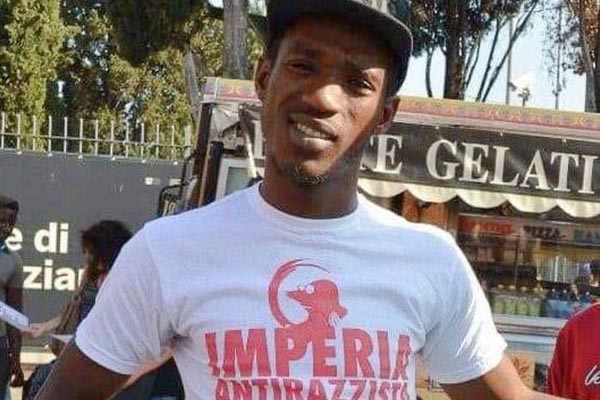
L’11 febbraio 2026, il tribunale di Torino ha emesso il suo verdetto nel processo relativo alla morte di Moussa Baldé, deceduto il 23 maggio 2021 presso il Centro di Permanenza per i Rimpatri (CPR) della città.
Moussa, giovane guineano di 23 anni, era stato rinchiuso dopo aver subito una violenta aggressione razzista a Ventimiglia. Nonostante una situazione di grande vulnerabilità psicologica, era stato messo in isolamento. Pochi giorni dopo, si è tolto la vita nella sua cella.
Il tribunale ha condannato l’ex direttrice del centro, gestito dalla multinazionale GEPSA, a un anno di reclusione con sospensione della pena per omicidio colposo. Insieme alla società, dovrà versare alla famiglia oltre 300.000 euro a titolo di indennizzo provvisorio.
Chiariamo subito: questo processo nasce da una grande frustrazione. I rappresentanti dello Stato non sono mai stati sul banco degli imputati. Eppure sono proprio le politiche pubbliche a organizzare l’esistenza dei CPR e a rendere possibile questo sistema.
Fin dalla prima udienza, il fratello di Moussa, Thierno Baldé, lo aveva sottolineato: «Il vero responsabile della morte di Moussa è lo Stato. Il sistema dei CPR è ingiusto e mi aspetto giustizia da questo processo. Mio fratello era arrivato in Italia per aiutare la nostra famiglia. Non aveva fatto nulla di male, voleva solo migliorare la sua vita e la nostra. Nessuno lo ha aiutato quando soffriva.»
Lo Stato non è stato giudicato. Eppure resta politicamente responsabile del sistema che ha schiacciato Moussa. Nonostante ciò, questo processo ha avuto effetti importanti. Innanzitutto, nel corso delle udienze ha permesso di far emergere le condizioni di detenzione indegne che caratterizzano i CPR: isolamento, mancanza di assistenza adeguata, assenza di controlli reali. Quanto accaduto a Moussa non è un “dramma individuale”, ma il prodotto di un sistema.
La giustizia ha riconosciuto che ci sono responsabilità nella morte di Moussa e ha preso in considerazione la sofferenza della famiglia Baldé. Questo riconoscimento è importante: potrebbe aprire la strada al riconoscimento delle responsabilità per tutte le vittime delle politiche migratorie e affinché il dolore delle famiglie non venga più ignorato.
Infine, questo verdetto invia un segnale dissuasivo alle aziende che partecipano al business della repressione. Collaborare alla detenzione delle persone migranti non è neutrale e comporta rischi. Come ha dichiarato l’avvocato della famiglia, Gianluca Vitale: «La sentenza deve essere un monito per chiunque voglia gestire luoghi come il CPR, che non dovrebbero esistere. Deve sapere che poi potrebbe essere chiamato a rispondere, anche penalmente, di ciò che lì succede. Il tribunale ha riconosciuto la responsabilità dell’ente gestore del centro nella morte di Balde. Purtroppo, è rimasto al di fuori di questo processo la responsabilità dello Stato nella gestione del CPR e in tutto ciò che lì succedeva, perché non c’era nessun controllo reale da parte della prefettura ».
Per i familiari di Moussa, questo verdetto rappresenta un enorme sollievo dopo anni di lotta. Permette finalmente di iniziare un vero lavoro di lutto. Una grande commemorazione in onore di Moussa si terrà in Guinea-Conakry in occasione del quinto anniversario della sua morte. I fondi residui del viaggio precedente saranno utilizzati per organizzare questo omaggio.
Ringraziamo calorosamente tutte le persone solidali che hanno reso possibili i diversi viaggi dei membri della famiglia in Italia per partecipare a questo processo. La loro presenza essenziale ha contribuito in modo decisivo alla riuscita di questa battaglia davanti alla giustizia.
Ringraziamo la famiglia Baldé, di cui salutiamo il coraggio immenso. Nonostante il dolore per la perdita di una persona cara, la famiglia Baldé ha saputo trovare le risorse per combattere per la memoria di Moussa, ma anche per tutte le altre persone vittime delle ingiuste, razziste e mortali politiche migratorie europee.

Questo verdetto non chiude nulla. Al contrario, ci ricorda l’urgenza di continuare a lottare contro tutti i luoghi di privazione della libertà e contro le politiche migratorie che producono detenzione, violenza e morte.
Condividiamo di seguito il discorso di reazione della famiglia a questo verdetto:
Signore e signori, cari amici e alleati,
La famiglia BALDE vi esprime la sua profonda gratitudine per il vostro sostegno costante in questa lunga e difficile battaglia per la giustizia e la dignità.
L’11 febbraio 2026 resterà una data impressa nelle nostre memorie, perché è il giorno in cui la giustizia italiana ha finalmente emesso il suo verdetto, riconoscendo la responsabilità della direzione del Centro di Permanenza per i Rimpatri di Torino nella tragica morte del nostro fratello Moussa BALDE. Cinque anni dopo questa tragedia, siamo sollevati nel vedere che la verità comincia a fare luce sulle zone d’ombra di questa vicenda. Il tribunale ha stabilito un nesso diretto tra le condizioni disumane di detenzione e la morte di Moussa, e salutiamo questa coraggiosa decisione.
Ma non siamo ancora arrivati alla fine del nostro percorso. La famiglia BALDE è soddisfatta di questa prima vittoria giudiziaria, ma sa che la lotta non è finita. Dobbiamo assicurarci che le riparazioni finanziarie e le sanzioni siano effettive, e che i responsabili siano chiamati a rispondere.
Per questo non vediamo l’ora di incontrare il nostro avvocato, l’Avv. VITALE, per comprendere il contenuto del verdetto e i passi successivi per il futuro. Non possiamo esprimere pienamente la nostra gioia finché non avremo avuto questo colloquio formale e riservato.
Il 23 maggio 2026 commemoreremo il quinto anniversario della scomparsa di Moussa. Sarà l’occasione per rendere un ultimo omaggio a questo giovane che ha perso la vita in condizioni inaccettabili. Pace alla sua anima.
Ringraziamo calorosamente l’Avv. VITALE e tutto il suo team per la dedizione e la competenza dimostrate. Il vostro lavoro ha permesso di far emergere la verità e di rendere giustizia a Moussa. Ringraziamo inoltre tutti i collettivi e le organizzazioni della società civile italiana che ci hanno sostenuto in questa battaglia. La vostra solidarietà e il vostro impegno sono una speranza per il futuro. Insieme continueremo a lottare affinché i diritti umani siano rispettati, affinché le vittime dell’ingiustizia siano ascoltate e affinché venga ristabilita la dignità. Grazie.
JUSTICE POUR MOUSSA BALDE
UN VERDICT IMPORTANT, LA LUTTE CONTINUE
Le 11 février 2026, le tribunal de Turin a rendu son verdict dans le procès concernant la mort de Moussa Baldé, décédé le 23 mai 2021 au centre de rétention (CPR) de la ville.
Moussa, jeune Guinéen de 23 ans, y avait été enfermé après avoir subi une violente agression raciste à Vintimille. Malgré un état de grande vulnérabilité psychologique, il avait été placé à l’isolement. Quelques jours plus tard, il mettait fin à ses jours dans sa cellule.
Le tribunal a condamné l’ancienne directrice du centre, géré par la multinationale GEPSA, à un an de prison avec sursis pour homicide involontaire. Avec sa société, elle devra également verser plus de 300 000 euros à la famille comme indemnisation provisoire.
Soyons clairs : ce procès est né d’une frustration majeure. Les représentants de l’État n’ont jamais été sur le banc des accusés. Or ce sont bien les politiques publiques qui organisent l’existence des CPR, qui décident de l’enfermement administratif des personnes étrangères et qui rendent possible ce système.
Dès la première audience, le frère de Moussa, Thierno Baldé, l’avait affirmé : « Le véritable responsable de la mort de Moussa, c’est l’État. Le système des CPR est injuste et j’attends de ce procès qu’il rende justice. Mon frère était arrivé en Italie pour aider notre famille. Il n’avait rien fait de mal, il voulait seulement améliorer sa vie et la nôtre. Personne ne l’a aidé quand il souffrait. »
L’État n’était pas jugé. Pourtant, il reste politiquement responsable du système qui a broyé Moussa. Malgré cela, ce procès a produit des effets importants. D’abord, au fil des audiences, il a permis de mettre en lumière les conditions de détention indignes qui ont cours dans les CPR : isolement, absence de prise en charge adaptée, manque de contrôle réel. Ce qui est arrivé à Moussa n’est pas un “drame individuel”, mais le produit d’un système.
Ensuite, la justice a reconnu qu’il y avait des responsabilités dans son décès et a pris en compte la souffrance de la famille Baldé. Cette reconnaissance est importante : elle pourrait ouvrir la voie à ce que des responsabilités soient reconnues pour toutes les victimes des politiques migratoires et que la douleur des familles ne soit plus ignorée.
Enfin, ce verdict envoie un signal dissuasif aux entreprises qui participent au business de la répression contre les personnes étrangères. Collaborer à l’enfermement des personnes migrantes n’est pas neutre, et ce n’est pas sans risque. Comme l’a déclaré l’avocat de la famille, Gianluca Vitale : « Le verdict doit servir d’avertissement à quiconque souhaiterait gérer des lieux comme les CPR, qui ne devraient pas exister. Il doit savoir qu’il pourrait être tenu responsable, y compris pénalement, de ce qui s’y passe. Le tribunal a reconnu la responsabilité de l’organisme gestionnaire du centre dans la mort de Baldé. Malheureusement, la responsabilité de l’État est restée hors de ce procès, car il n’y avait aucun contrôle réel de la préfecture ».
Pour les proches de Moussa, ce verdict représente un immense soulagement après des années de lutte. Il ouvre enfin la possibilité de commencer un véritable travail de deuil. Une grande commémoration en l’honneur de Moussa aura lieu en Guinée-Conakry à l’occasion des cinq ans de son décès. Les fonds restants du précédent voyage serviront à organiser cet hommage.
Nous remercions chaleureusement toutes les personnes solidaires qui ont rendu possible les différents voyages des membres de la famille en Italie pour participer à ce procès. Leur présence essentielle a largement contribué à la réussite de ce combat devant la justice.
Nous remercions la famille Baldé dont nous saluons l’immense courage. Malgré la douleur d’avoir perdu un être cher, la famille Baldé a su trouver les ressources pour se battre pour la mémoire de Moussa mais aussi pour toutes les autres personnes victimes des politiques migratoires européennes injustes, racistes et meurtrières.
Ce verdict ne clôt rien. Il nous rappelle au contraire l’urgence de continuer à lutter contre tous les lieux de privation de liberté et contre les politiques migratoires qui produisent enfermement, violence et mort.
Nous partageons ci-dessous la réaction de la famille à ce verdict :
Mesdames et Messieurs, chers amis et alliés,
La famille BALDE vous exprime sa profonde gratitude pour votre soutien indéfectible dans ce long et difficile combat pour la justice et la dignité.
Le 11 février 2026 restera une date gravée dans nos mémoires, car c’est le jour où la justice italienne a enfin rendu son verdict, reconnaissant la responsabilité de la direction du Centre de Permanence pour le Rapatriement de Turin dans le décès tragique de notre frère Moussa BALDE. Cinq ans après cette tragédie, nous sommes soulagés de voir que la vérité commence à éclaire les zones d’ombre de cette affaire. Le tribunal a établi un lien direct entre les conditions de détention inhumaines et la mort de Moussa, et nous saluons cette décision courageuse.
Mais nous ne sommes pas encore au bout de notre chemin. La famille BALDE est satisfaite de cette première victoire judiciaire, mais elle sait que le combat n’est pas terminé. Nous devons nous assurer que les réparations financières et les sanctions soient effectives, et que les responsables soient tenus pour compte.
C’est pourquoi nous sommes impatients de rencontrer notre avocat, Maître VITALE, pour comprendre le fond de ce verdict et la marche à suivre pour l’avenir. Nous ne pouvons pas exprimer totalement notre joie tant que nous n’aurons pas eu cet entretien formel et confidentiel.
Le 23 mai 2026, nous commémorerons le cinquième anniversaire de la disparition de Moussa. C’est l’occasion pour nous de rendre un dernier hommage à ce jeune homme qui a perdu la vie dans des conditions inacceptables. Paix à son âme.
Nous remercions chaleureusement Maître VITALE et toute son équipe pour leur dévouement et leur expertise. Votre travail a permis de faire éclater la vérité et de rendre justice à Moussa. Nous remercions également tous les collectifs et organisations de la société civile italienne qui nous ont soutenus dans ce combat. Votre solidarité et votre engagement sont un espoir pour l’avenir.
Ensemble, nous continuerons à lutter pour que les droits humains soient respectés, pour que les victimes de l’injustice soient entendues et pour que la dignité soit restaurée. Merci.
JUSTICE FOR MOUSSA BALDE
AN IMPORTANT VERDICT, THE FIGHT CONTINUES
On February 11, 2026, the Turin court delivered its verdict in the trial concerning the death of Moussa Baldé, who passed away on May 23, 2021, at the city’s detention center (CPR).
Moussa, a 23-year-old Guinean, had been detained after suffering a violent racist assault in Ventimiglia. Despite his severe psychological vulnerability, he was placed in isolation. A few days later, he took his own life in his cell.
The court sentenced the former director of the center, managed by the multinational GEPSA, to one year of suspended imprisonment for involuntary manslaughter. She, together with the company, must also pay the family over 300,000 euros as provisional compensation.
Let’s be clear: this trial stems from a major frustration. State representatives were never on the defendant’s bench. Yet it is public policy that creates the existence of CPRs and makes this system possible.
From the very first hearing, Moussa’s brother, Thierno Baldé, stated: “The true responsible party for Moussa’s death is the State. The CPR system is unjust, and I expect justice from this trial. My brother came to Italy to help our family. He had done nothing wrong; he only wanted to improve his life and ours. No one helped him when he was suffering.”
The State was not judged. Yet it remains politically responsible for the system that crushed Moussa. Despite this, the trial has had important effects. First, over the course of the hearings, it has highlighted the inhumane conditions of detention that exist in CPRs: isolation, lack of adequate support, and absence of real oversight. What happened to Moussa is not an “individual tragedy” but the product of a system.
The court also recognized that there were responsibilities in Moussa’s death and acknowledged the suffering of the Baldé family. This recognition is significant: it could pave the way for responsibilities to be recognized for all victims of migration policies and ensure that the pain of families is no longer ignored.
Finally, this verdict sends a deterrent message to companies involved in the business of repression. Collaborating in the detention of migrants is not neutral, and it is not without risk. As the family’s lawyer, Gianluca Vitale, stated: “The verdict must serve as a warning to anyone who wants to manage places like the CPRs, which should not exist. They must know that they could be held accountable, including criminally, for what happens there. The court recognized the responsibility of the organization managing the center in Baldé’s death. Unfortunately, the responsibility of the State in managing the CPR and everything that happened there remained outside this trial, as there was no real oversight by the prefecture.”
For Moussa’s loved ones, this verdict represents immense relief after years of struggle. It finally opens the possibility of beginning a true process of mourning. A major commemoration in honor of Moussa will take place in Guinea-Conakry on the fifth anniversary of his death. Remaining funds from the previous trip will be used to organize this tribute.
We warmly thank each person who made it possible for the family members to travel to Italy to participate in this trial. Their essential presence greatly contributed to the success of this fight for justice.
We thank the Baldé family, whose immense courage we honor. Despite the pain of losing a loved one, the family found the strength to fight for Moussa’s memory, but also for all other victims of unjust, racist, and deadly European migration policies.
This verdict closes nothing. On the contrary, it reminds us of the urgent need to continue fighting against all places of deprivation of liberty and against migration policies that produce detention, violence, and death.
We share below the family’s statement in response to the verdict:
Ladies and Gentlemen, dear friends and allies,
The BALDE family expresses its deep gratitude for your unwavering support in this long and difficult struggle for justice and dignity.
February 11, 2026, will remain a date engraved in our memories, as it is the day when the Italian justice system finally delivered its verdict, recognizing the responsibility of the management of the Turin Centre for the Repatriation of Migrants in the tragic death of our brother Moussa BALDE.
Five years after this tragedy, we are relieved to see the truth beginning to shed light on the dark areas of this case. The court established a direct link between inhumane detention conditions and Moussa’s death, and we salute this courageous decision.
But our journey is not yet over. The BALDE family is satisfied with this first judicial victory, but they know the fight is not finished. We must ensure that financial reparations and sanctions are effective, and that those responsible are held accountable.
That is why we look forward to meeting with our lawyer, Mr. VITALE, to understand the substance of the verdict and the next steps for the future. We cannot fully express our joy until this formal and confidential meeting has taken place.
On May 23, 2026, we will commemorate the fifth anniversary of Moussa’s passing. It will be an opportunity to pay a final tribute to this young man who lost his life under unacceptable conditions. Rest in peace.
We warmly thank Mr. VITALE and his entire team for their dedication and expertise. Your work has helped bring the truth to light and deliver justice for Moussa.
We also thank all collectives and civil society organizations in Italy who supported us in this struggle. Your solidarity and commitment are a source of hope for the future.
Together, we will continue to fight to ensure that human rights are respected, that the victims of injustice are heard, and that dignity is restored. Thank you.