Report di monitoraggio alla frontiera a maggio e giugno 2026 in Ventimiglia
report gennaio 2026
report febbraio-marzo 2026
report aprile 2026
English below – français en-dessous
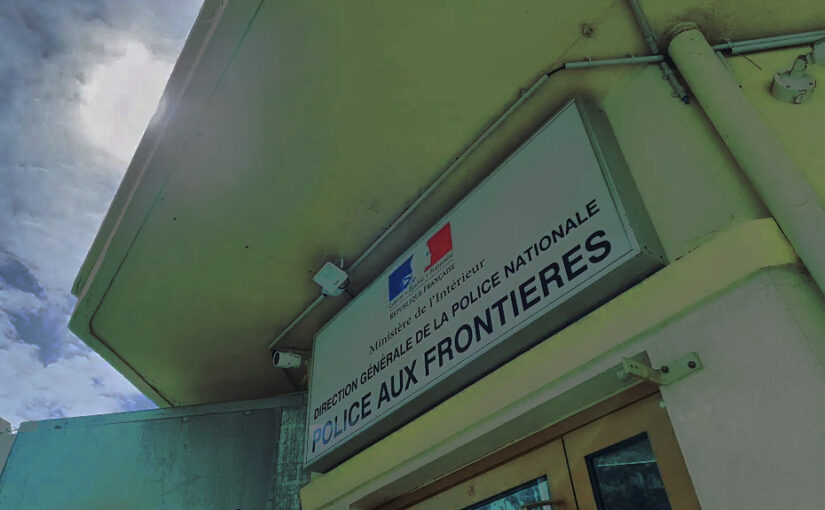
Questa breve cronologia delle molteplici violenze prodotte dai meccanismi di frontiera e dai suoi agenti alla frontiera interna tra Francia e Italia, sul Mar Mediterraneo, è un resoconto incompleto e ben contestuale. Rappresenta la situazione dal punto di vista di persone che osservano (spesso bianche) con cittadinanza europea e, di conseguenza, tralascia innumerevoli episodi di violenza vissuti da coloro che lottano e resistono per la libertà di movimento. È quindi un quadro molto parziale e limitato della situazione, che esclude le prospettive cruciali delle persone in movimento (POM) e dei sans-papiers (persone senza documenti riconosciuti come “validi” dagli agenti di frontiera francesi).
Anche i numeri dei respingimenti e degli episodi qui citati, rappresentano solo una panoramica momentanea della situazione alla frontiera – non riflettono i numeri dei respingimenti che osserviamo durante i monitoraggi regolari (attualmente circa 20 al giorno), né descrivono in modo adeguato tutti gli episodi di violenza che osserviamo a questa frontiera.
5.05
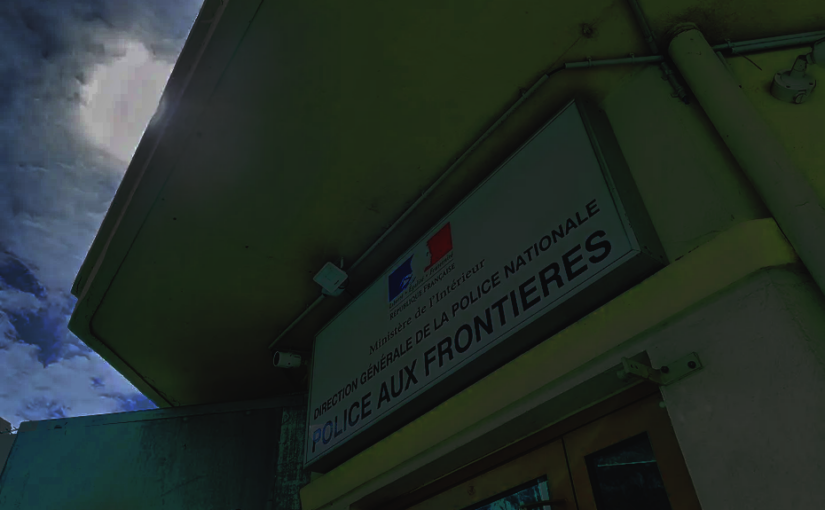
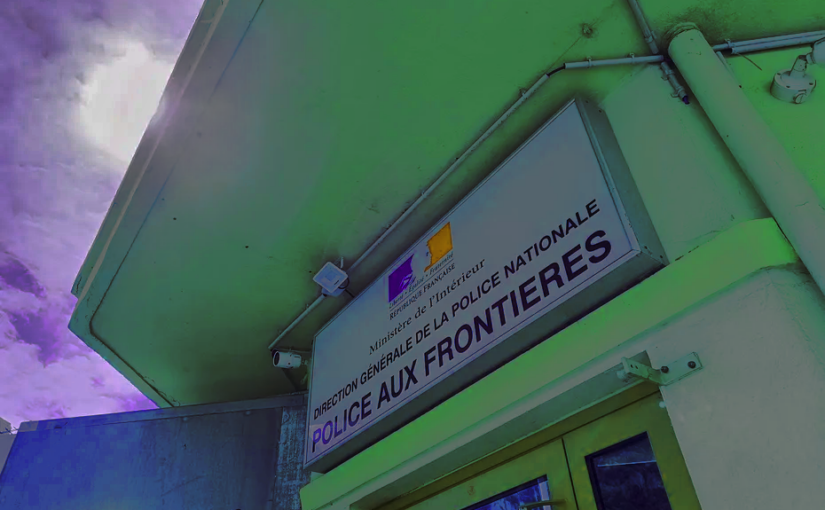
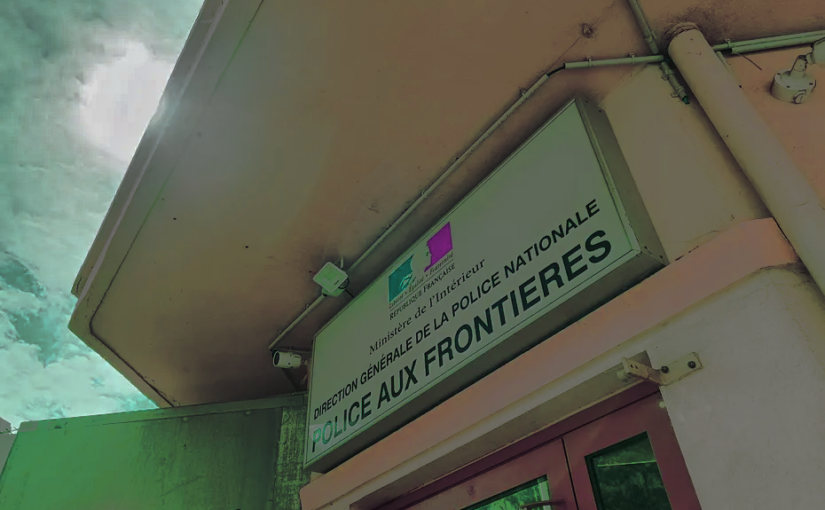
Dieci persone vengono respinte in Italia e rilasciate tra le 18:00 e le 19:00 dopo la detenzione al commissariato di polizia francese in frontiera. Almeno due di loro sono estremamente esauste dopo diversi tentativi fallimentari di raggiungere la Francia -paese in cui i loro parenti vivono.
8.05
Una famiglia con tre bambini piccoli e una persona incinta viene respinta in Italia dalla stazione ferroviaria francese di Menton-Garavan, dove era stata fermata alle ore 12:00. Nessuno dei membri della famiglia parla italiano e, quando vengono respinti dopo otto ore di detenzione in un paese in cui non volevano né avevano intenzione di rimanere, nessuno si assicura che riescano a raggiungere un luogo dove i bambini e la donna incinta possano riposare, avere accesso all’acqua e ricevere assistenza (medica). La PAF (polizia di frontiera francese) si limita a dire alla famiglia di percorrere a piedi la ripida salita «per andare in Italia», lasciandoli a 9 chilometri di distanza da qualsiasi infrastruttura essenziale.
11.05
Almeno quattro persone sono state trattenute dalla polizia di frontiera francese per tutta la notte nella stazione di polizia di frontiera. Le due donne e i due uomini sono stati arrestati mentre viaggiavano sui mezzi pubblici. Raccontano che la cella in cui sono stati rinchiusi durante la notte era gelida e che alla stazione di polizia non c’erano traduttori in grado di spiegare loro il motivo della detenzione e la procedura a cui erano sottoposti. La polizia di frontiera ha cercato di comunicare in inglese con i detenuti (con scarso successo) e due delle persone trattenute non hanno ricevuto né acqua né cibo durante il periodo di fermo (ad eccezione di un biscotto). Sebbene le quattro persone trattenute durante la notte si sentano maltrattate dalla polizia di frontiera, non presentano denuncia perché «sono la polizia, vincono sempre, indipendentemente da ciò che è realmente accaduto».
13.05
Una persona, rilasciata alle 10:30 dalla polizia di frontiera francese e respinta in Italia, ha trascorso l’intera serata e la notte in stato di fermo. La polizia di frontiera gli ha confiscato il telefono e ha chiamato un suo contatto personale per ottenere una traduzione tramite il suo telefono privato. Altre due persone, che avevano anch’esse dovuto trascorrere la notte presso la stazione di polizia di frontiera, sono state rilasciate molto prima.
14.05
Questa mattina quattro persone sono state respinte dalla Francia verso l’Italia; tra loro c’è una persona che vive in Italia da 30 anni e si reca regolarmente in Francia. Il caso di questa persona illustra come le frontiere interne europee limitino sempre più la libertà di movimento delle popolazioni migranti in Europa, mentre le frontiere dell’Unione Europea vengono sempre più esternalizzate, riducendo drasticamente il numero di persone in cerca di protezione che riescono ad arrivare in Europa.
15.05
Tre persone respinte alle 10:30 riferiscono di aver trascorso la notte nei container della stazione di polizia di frontiera francese insieme ad altri 20 detenuti. Faceva molto freddo e non c’erano materassi sufficienti per permettere a tutti di sdraiarsi. Alle persone rinchiuse nei container sono stati dati solo alcuni biscotti da mangiare (alcune di loro erano state arrestate alle 20:00 di sera) e non erano presenti interpreti. Queste informazioni sono confermate da altre tre persone rilasciate nel corso della giornata. In un caso, la polizia di frontiera francese ha utilizzato nuovamente il telefono personale di uno dei detenuti per chiamare un contatto privato e discutere dei motivi della detenzione.
Alcuni dei detenuti non vengono rilasciati fino alle 13:00, altri vengono trasportati in auto della polizia italiana in direzione di Ventimiglia e non hanno notizie su cosa sia loro successo in seguito. È improbabile che le persone scomparse in questo modo ricevano un’assistenza adeguata: il loro arresto avviene in un clima politico caratterizzato da discorsi mediatici che, per fare un esempio, definiscono un progetto scolastico di distribuzione di cibo alle persone in movimento come «lavaggio del cervello degli scolari», il che rappresenta un ulteriore passo nel processo in corso di rifiuto sociale e criminalizzazione dell’aiuto umanitario e del sostegno alle persone in movimento in Europa e in Italia.
19.05
Tra le cinque persone respinte in mattinata, prima delle 10:30, dalla Francia verso l’Italia, ce n’è una in possesso sia di una carta d’identità italiana che di documenti tedeschi scaduti – che, secondo la polizia di frontiera, costituiscono il motivo di questo specifico respingimento. Ancora una volta, il caso di questa persona non è un caso isolato, ma una delle tante situazioni in cui persone che vivono e lavorano in Europa da molto tempo subiscono respingimenti, detenzioni e maltrattamenti al confine interno europeo tra Mentone e Ventimiglia (che è allo stesso tempo il valico di frontiera franco-italiano con il maggior numero di respingimenti).
20.05
Quattro persone sono state respinte in mattinata prima delle 10:30 e riferiscono che altre nove persone sono state rinchiuse durante la notte nella stazione di polizia di frontiera francese. Tra le persone respinte ci sono persone che vivono e lavorano in Italia da molti anni (come nel caso di molti residenti italiani della zona di confine).
Allo stesso tempo, una persona visibilmente ferita e diversamente abile, arrestata dalla PAF (polizia di frontiera francese) in serata, non ha ricevuto né cibo né acqua durante la detenzione (mentre gli altri detenuti ne hanno beneficiato) e le è stata negata l’assistenza medica che aveva richiesto dopo aver mostrato la propria tessera di invalidità agli agenti di polizia francesi. Oltre a maltrattare una persona particolarmente vulnerabile, la polizia francese ha confiscato tutti i telefoni personali dei detenuti, senza fornire, ancora una volta, alcuna traduzione né informazioni sui diritti delle persone in stato di detenzione. L’unica persona con cui hanno parlato è stato un uomo che la PAF ha interrogato a lungo ponendogli molte domande personali, affermando che ciò serviva a valutare se «fosse un terrorista o solo un criminale».
21.05
Due persone rilasciate dalla polizia di frontiera francese in mattinata (fa molto caldo) non hanno ricevuto né cibo né acqua. Per diversi chilometri non c’è alcuna possibilità di acquistare bevande o cibo e chi è già rimasto senza cibo e acqua per ore rischia di subire danni alla salute e di collassare mentre percorre a piedi la ripida strada in direzione dell’Italia sotto il sole cocente.
28.05
24 persone vengono respinte dalla Francia verso l’Italia – alcune di loro si trovavano in Italia da una settimana. La polizia francese emette provvedimenti di espulsione dal territorio francese (OQTF, obligation de quitter le territoire français) che comportano le conseguenze giuridiche più gravi per il soggiorno delle persone in tutta l’UE, a carico di chi vive qui da già molto tempo.
28-29.05
Tra le 63 persone arrestate al confine franco-italiano tra Ventimiglia e Mentone nel corso di questi due giorni figura una donna incinta, che in serata è stata respinta in Italia. In questi giorni si è notato che, sebbene la durata della detenzione vari notevolmente, alle persone viene consegnato al momento del rilascio un verbale (process verbal), ovvero un documento legale firmato dai detenuti che dovrebbe riportare tutto ciò che è accaduto durante la detenzione e che può essere utilizzato per i successivi procedimenti legali. Tuttavia, i verbali rilasciati dalla polizia di frontiera francese assomigliano a un modulo prestampato che non menziona fatti importanti quali il sequestro dei telefoni personali, il loro sblocco e controllo, nonché gli interrogatori approfonditi della durata di diverse ore. La consegna di tali verbali costituisce quindi una pratica illegale.
4.06
Tra le sei persone respinte questa mattina figurano ancora una volta diverse persone che vivono in Europa da anni. Le loro storie di migrazione le espongono al rischio di arresto, detenzione e maltrattamenti alla frontiera.
9.06
Dieci persone vengono fermate alla frontiera francese, ma solo nove vengono rilasciate. Non ci sono informazioni su cosa sia successo alla persona scomparsa e, purtroppo, questo non è un caso isolato, ma una prassi abituale.
È molto probabile che la scomparsa di questa persona sia una delle conseguenze dell’«operato» di una «task force sull’immigrazione» di recente costituzione – un’operazione condotta dalla polizia di frontiera italiana e avviata dal governo italiano «per difendere i propri confini». Questa task force è responsabile dell’espulsione di 14 persone in cerca di protezione internazionale, arrestate nel mese di giugno nella zona intorno alla città francese di Mentone, verso i paesi da cui queste persone erano state costrette a fuggire. È altresì responsabile di altre 22 persone che, dopo essere state arrestate al confine franco-italiano, sono state trasferite e rinchiuse nei centri di permanenza temporanea (CPR) italiani.
10.06
Per la prima volta dopo molte settimane, una persona fermata alla frontiera ha avuto accesso a un servizio di traduzione adeguato (francese-arabo) durante la detenzione da parte della polizia francese. Sebbene si tratti di un diritto umano fondamentale, poter usufruire di tale servizio presso il posto di frontiera franco-italiano di Mentone è un evento estremamente raro che merita di essere segnalato.
12.06
Due persone sono state rilasciate dopo le 19:00, dopo che la polizia di frontiera francese aveva estratto dati dai loro telefoni senza fornire alcuna spiegazione in merito a quanto stavano facendo. La scheda SIM di una delle due persone ha smesso di funzionare dopo questa operazione.
16.06
Quattro persone vengono respinte in Italia dalla polizia di frontiera francese e ricevono un verbale contenente informazioni false – ad esempio, che durante la detenzione avrebbero avuto accesso a un servizio di traduzione.
18.06
Una donna arrestata insieme ai suoi due figli mentre si recava dall’Italia in Francia sviene subito dopo essere stata rilasciata.
22.06
Nel pomeriggio sei persone vengono respinte. Almeno quattro di loro si trovano in Italia da appena una settimana ed è proprio questa settimana a farle sentire completamente disperate e “al fondo del baratro” – non la traversata del Mediterraneo o la rotta balcanica, che hanno superato, e che mettevano a rischio la loro vita. Anche a queste quattro persone viene consegnato un verbale (procès-verbal) che sono state obbligate a firmare dalla polizia di frontiera francese. Questo verbale omette e quindi cancella il fatto che siano state interrogate per molte ore, che i loro telefoni personali siano stati sequestrati, sbloccati e controllati.
23.06
In mattinata tre persone sono state respinte; alcune di loro, spinte dalla disperazione economica, erano state costrette a percorrere una pericolosa strada di montagna per raggiungere la Francia. Altre due persone fermate non sono state rilasciate fino a tarda sera. Tra le persone respinte c’era una persona in possesso di documenti validi. Questa persona è stata costretta da un agente di polizia francese a digitare il proprio codice PIN per sbloccare il telefono, che è stato poi controllato.
25.06
Una persona rilasciata in mattinata è rimasta in stato di fermo per 17 ore. Un’altra persona, rilasciata nel pomeriggio, ha assistito, presso la stazione di polizia di frontiera, a scene in cui la polizia francese urlava contro altre persone lì trattenute.
29.06
Ancora una volta, la polizia di frontiera francese ha redatto un verbale falso in cui si afferma che la persona in questione abbia avuto accesso a un servizio di traduzione durante la detenzione (cosa non vera) e la possibilità di effettuare una telefonata per informare qualcuno della propria detenzione (anche questo non è vero). La persona riferisce che altre due persone sono state trattenute presso la stazione di polizia di frontiera e sottoposte a un interrogatorio molto lungo.
English
Border monitoring report: May-June 2026
This small chronology of the multiple violences produced by the border mechanisms and its agents of the inner-european border between France and Italy at the Mediterranean Sea is an incomplete and situated account. It pictures the situation from the perspective of (often white) observers with european citizenships and thus leaves out innumerable violent incidents experienced by those who are struggling and fighting for their freedom of movement. It is thus a very partial and limited picture of the situation leaving out the crucial perspectives of people on the move (POM) and sans-papiers (people without documents recognised as “valid” by french border agents).
Also the numbers of push backs and incidents cited here are simply momentary snapshots of the situation at the border – they do neither represent the numbers of pushbacks that we observe when regularly monitoring at the border (currently about 20 per day), nor do they adequately picture all violent incidents that we observe at this border.
5th of May
Ten people are pushed back to Italy and released after detention at the french police station at the border between 18:00 and 19:00 in the evening. At least two of them are extremely exhausted after several unsuccessfull attempts of reaching France – the country where their relatives live.
8th of May
A family with three small children and one pregnant person is pushed back to Italy from the french train station Menton-Garavan where they have been arrested at 12:00. None of the family members speak any italian and when the are pushed back after eight hours of detention to a country that they did neither want not planned to stay in, nobody makes sure that they find their way to a place where the children and the pregnant person can rest, have access to water and (medical) support. The PAF (french border police) simply tells the family to walk the steep road uphill „to go to Italy“ leaving them 9 kilometres away from any vital infrastructure.
11th of May
At least four people are detained by the french border police over night in the border police station. The two women and two men were arrested when travelling on public transport. They report that the cell where they have been locked in over night was freezing cold and that there were no translators present at the police station who could explain them the reason for their detention and the procedure they were subjected to. The border police was trying to speak english to the detainees (with little success) and two of the people detained did not receive any water or food during the time of their arrest (except for one biscuit). Although the four people detained over night feel mistreated by the border police, they do not file a complaint because „they are the police, they always win no matter what has really happened“.
13th of May
A person who is released at 10:30 by the french border police and pushed back to Italy spent the entire evening and night in detention. The border police confiscated his telephone and called a personal contact of the detainee in order to do a translation via the private telephone. Two other people who equally had to spend the night at the border police post were released much earlier.
14th of May
Four people are pushed back from France to Italy in the morning – amongst them is one person who lives in Italy since 30 years and makes regular journey to France. The case of this person illustrates how inner-european borders increasingly restrain the freedom of movement of migrant populations in Europe as the borders of the European Union are increasingly externalised drastically reducing the number of people seeking protection who manage to arrive in Europe.
15th of May
Three people pushed back at 10:30 state that they have spent the night in the containers of the french border police station with 20 other detainees. It was very cold, there were not enough matrasses for everybody to lie down. The people locked in the containers received only some biscuits to eat (some of them were arrested at 20:00 in the evening) and there were no translators present. This information is confirmed by three other people who are released later in the day. In one case the french border police used again the private telephone of one of the detainees to call a private contact in order to speak about the reasons for detention.
Some of the people detained do not get released untill 13:00 others are driven in italian police cars in the direction of Ventimiglia and there is no information about what happened to them later on. It is unlikely that the people who disappear in that way receive adequate help – their arrest takes place in a political climate marked by media discourses which, to take an example, qualify a school project distributing food to people on the move as „brainwashing of school children“ which is a further step in the ongoing process of societal refusal and criminalisation of humanitarian help and support to people on the move in Europe and Italy.
19th of May
Amongst the five people pushed back in the morning before 10:30 from France to Italy is one person with both, an italian ID card as well as expired documents from Germany – which are according to the border police the reason for this particular pushback. Again, the case of this person is not an isolated case but one of many situations in which people who live and work in Europe since a long time experience pushbacks, detention and bad treatment on the inner-european border between Menton and Ventimiglia (which is at the same time the french-italian border checkpoint featuring the highest number of pushbacks).
20th of May
Four people are pushed back in the morning before 10:30 and report that nine other people were locked in the french border police station over night. Amongst the people pushed back are people who have been living in Italy and working since many years (as it is the case for many italian residents of the border zone).
At the same time a visibly wounded and disabled person who was arrested by the PAF (french border police) in the evening did not receive any food or water in detentione (while other detainees did) and was refused medical aid that he requested after showing his disability card to the french police officers. In addition to mistreating a particularily vulnerable person, the french police confiscated all personal telephones of the detainees, provided once again no translaton or information about people’s rights in detention. The only person that they spoke to was a man whom the PAF interviewed for a long time asking many personal questions stating that this was to assess whether „he is a terrorist or just criminal“.
21st of May
Two people released by the french border police in the morning (it is very hot) did not receive any food or water. There are no possibilities to purchase beverages or food for several kilometres and those who have been already deprived of food and water for hours risk health damages and collapse when walking up the steep road in the direction of Italy in the heat.
28th of May
24 people are pushed back from France to Italy – some of them have been in Italy since one week. The french police gives out interdictions to stay on french territory (OQTF, obligation de quitter le territoire francais) which have the most heavy juridical consequences for people’s stay in the entire EU to people who have been living here since a very long time.
28th-29th of May
amongst 63 people arrested at the french-italian border between Ventimiglia and Menton during these two days is a pregnant woman who is pushed back to Italy in the evening. During these days it is noticed that while times of detention vary greatly, people are given a verbal protocol when released (process verbal) which is a legal document signed by the detainees that is supposed to mention everything that has happened during detention and can be used for following legal processes. However the protocals given out by the french border police ressembla a pre-printed form which does not mention important facts such as the seizure of personal telephones, their unblocking and checking as well as thorough interviews lasting several hours. Handing out such verbal protocals is thus an illegal practice.
4th of June
Amongst the six people pshed back in the morning of this day are again several persons who have been living in Europe since years. Their biographies of migration expose them to arrest, detention and mistreatment at the border.
9th of June
Ten people are detained in the french border post but only nine get released. There is no information about what happened to the missing person and this is sadly not a single case but a regularity.
It is most likely that the disappearance of this persone is one of the results of the „work“ of a newly established „immigration task force“ – an operation conducted by the italian border police and initiated by the italian government „to defend its borders“. This task force is responsable for the deportation of 14 people seeking international protection, who have been arrested in the area around the french city of Menton during the month of June, to the countries that these people were forced to flee from. It is equally responsable for 22 other people who were transfered to and locked in italian detention centres (CPR) after their arrest at the french-italian border.
10th of June
For the first time since many weeks a person who was arrested at the border has access to adequate translation (french-arabic) when detained by the french police. Although this is a basic human right, benefiting from it at the french-italian border police post in Menton is an extremely rare event worth mentioning.
12th of June
Two people are released after 19:00 after the french border police extracted data from their phone without providing any explanation of what they were doing. The SIM card of one person stopped functioning after this operation.
16th of June
Four people are bushed back to Italy by the french border police and given a verbal protocol (process verbal) that contains false information – for example that they had access to translation during the detention.
18th of June
A women arrested with her two children when travelling from Italy to France collapses right after she is released.
22nd of June
Six people are pushed back in the afternoon. At least four of them have been in Italy since one week only and it is this one week that makes them feel completely desperate and „at the very bottom“ – not the life-threatening crossing of the Mediterranean or the Balkan route that they survived. These four people are equally handed out a verbal protocoll (proces verbal) which the were required to sign by the french border police. This protocol silences and thus erases that they have been interviewed for many hours, that their personal telephones were taken away, cracked and checked.
23rd of June
Three people are pushed back in the morning – some of them were driven to take a dangerous mountain road to reach France out of economic despair. Two other people detained are not released until late in the evening. Amongst the people pushed back is one person in posession of valid documents. This person has been put under pressure by a french police man to enter his PIN code in order to unblock his telephone which was then checked.
25th of June
A person released in the morining experienced 17 hours of detention. Another person released in the afternoon witnessed in the border police post that the french police was shouting at other people who were detained there.
29th of June
Again a false verbal protocol (process verbal) handed out by the french border police stating that the concerned person had access to translation in detention (not true) and the possibility to make a call in order to inform someone about the detention (also not true). The person testifies that two other people are detained in the border police post and thoroughly questioned.
Français
Depuis la frontière : observations à la frontière franco-italienne (Vintimille) en mai-juin 2026
Cette petite chronologie des multiples violences produites par les mécanismes de la frontière et ses agents, à la frontière intra-européenne entre la France et l’Italie au niveau de la mer Méditerranée, est un récit incomplet et situé. Il décrit la situation du point de vue d’observateurices (souvent blanc.hes) ayant des nationalités européennes, et laisse donc de côté les innombrables incidents violents vécus par celleux qui luttent et se battent pour leur liberté de mouvement. Il s’agit donc d’une image très partielle et limitée de la situation, laissant de côté les perspectives cruciales des personnes en situation d’exil et sans-papiers (personnes sans documents reconnus comme « valides » par les agents frontaliers français).
De plus, les nombres de renvois et d’incidents cités ici ne sont que des instantanés momentanés de la situation à la frontière – ils ne représentent ni le nombre de renvois que nous observons lors du suivi régulier à la frontière (actuellement environ 20 par jour), et ils ne représentent pas non plus de manière adéquate tous les incidents violents que nous observons à cette frontière.
Le 5 mai
Dix personnes sont renvoyées en Italie et libérées après avoir été détenues au poste de police français à la frontière entre 18h et 19h dans la soirée. Au moins deux d’entre elleux sont extrêmement épuisé.es après plusieurs tentatives infructueuses pour atteindre la France – le pays où vivent leurs proches.
Le 8 mai
Une famille avec trois jeunes enfants et une personne enceinte est refoulée en Italie depuis la gare française de Menton-Garavan où iels ont été arrêté.es à 12h. Aucun.e des membres de la famille ne parle italien et, lorsqu’iels sont renvoyé.es après huit heures de détention dans un pays où ils ne voulaient pas rester, personne ne veille à ce qu’iels trouvent un endroit où les enfants et la personne enceinte puissent se reposer, avoir accès à de l’eau et du soutien (médical). La PAF (Police de l’Air et des Frontières française) dit simplement à la famille de marcher sur la route raide en montée « pour aller en Italie » – les laissant à 9 kilomètres de toute infrastructure vitale.
Le 11 mai
Au moins quatre personnes sont détenues par la PAF pendant la nuit dans le poste de police à la frontière. Les deux femmes et les deux hommes ont été arrêté.es alors qu’iels voyageaient dans les transports en commun. Iels signalent que la cellule où iels ont été enfermé.es toute la nuit était glaciale et qu’il n’y avait pas de traducteurices présent.es au poste de police qui pourraient leur expliquer la raison de leur détention et la procédure à laquelle iels ont été soumis.es. La PAF a essayé de parler anglais aux détenus (avec peu de succès) et deux des personnes détenues n’ont reçu ni eau ni nourriture durant leur détention (sauf un biscuit). Bien que les quatre personnes détenues pendant la nuit se sentent maltraitées par la PAF, elles ne déposent pas plainte parce que « ce sont la police, ils gagnent toujours peu importe ce qui s’est vraiment passé ».
Le 13 mai
Une personne qui est libérée à 10h30 par la PAF et renvoyée en Italie a passé toute la soirée et la nuit en détention. La PAF a confisqué son téléphone et a appelé un contact personnel du détenu.e afin de faire une traduction via le téléphone privé. Deux autres personnes qui ont également dû passer la nuit au poste de police frontalier ont été libérées beaucoup plus tôt.
Le 14 mai
Quatre personnes sont renvoyées de la France vers l’Italie le matin – parmi elles, une personne qui vit en Italie depuis 30 ans et voyage régulièrement en France. Le cas de cette personne illustre comment les frontières intra-européennes restreignent de plus en plus la liberté de circulation des populations migrantes en Europe ; de même que les frontières de l’Union Européenne sont de plus en plus externalisées, réduisant drastiquement le nombre de personnes en quête de protection qui parviennent à arriver en Europe.
Le 15 mai
Trois personnes repoussées à 10h30 déclarent avoir passé la nuit dans les containers du poste de police avec 20 autres détenu.es. Il faisait très froid, il n’y avait pas assez de matelas pour que tout le monde se couche. Les personnes enfermées dans les conteneurs n’ont reçu que quelques biscuits à manger (certains d’entre elles ont été arrêtées à 20h du soir) et il n’y avait pas de traducteurices présent.es. Cette information est confirmée par trois autres personnes qui ont été libérées plus tard dans la journée. Dans un cas, la PAF a de nouveau utilisé le téléphone privé d’un.e des détenu.es pour appeler un contact privé afin de parler des raisons de la détention.
Certaines des personnes détenues ne sont pas libérées avant 13h, d’autres sont conduites dans des voitures de police italiennes en direction de Vintimille et il n’y a aucune information sur ce qui leur est arrivé plus tard. Il est peu probable que les personnes qui disparaissent de cette manière reçoivent une aide adéquate – leur arrestation a lieu dans un climat politique marqué par des discours médiatiques qui, pour prendre un exemple, qualifient un projet scolaire distribuant de la nourriture à des personnes en exil de « lavage de cerveaux d’écolier.es », ce qui est une étape supplémentaire dans le processus en cours de refus sociétal et de criminalisation de l’aide humanitaire et du soutien aux personnes en exil en Europe et en Italie.
Le 19 mai
Parmi les cinq personnes refoulées le matin avant 10h30 de la France vers l’Italie, il y a une personne avec à la fois une carte d’identité italienne et des documents allemands périmés – qui sont selon la PAF la raison de ce renvoi particulier. Encore une fois, le cas de cette personne n’est pas isolé mais l’une des nombreuses situations dans lesquelles des personnes qui vivent et travaillent en Europe depuis longtemps subissent des refoulements, des détentions et des mauvais traitements à la frontière intra-européenne entre Menton et Vintimille (qui est en même temps le poste de contrôle à la frontière franco-italienne avec le plus grand nombre de refoulements).
Le 20 mai
Quatre personnes sont refoulées le matin avant 10h30 et signalent que neuf autres personnes ont été enfermées dans le poste de la police pendant la nuit. Parmi les personnes renvoyées se trouvent des personnes qui vivent en Italie et y travaillent depuis de nombreuses années (comme c’est le cas pour de nombreux.ses résident.es italien.nes de la zone frontalière).
Dans le même temps, une personne visiblement blessée et handicapée qui avait été arrêtée par la PAF (Police Aux Frontières française) dans la soirée n’a reçu ni nourriture ni eau en détention (alors que d’autres détenu.es en ont reçu) et s’est vu refuser l’aide médicale qu’iel avait demandée après avoir montré sa carte d’invalidité aux policiers. En plus de maltraiter une personne particulièrement vulnérable, la police française a confisqué tous les téléphones personnels des détenus, n’a fourni aucune traduction ni information sur les droits des personnes en détention. La seule personne à qui ils ont parlé était un homme que la PAF a interrogé pendant longtemps, posant de nombreuses questions personnelles, affirmant qu’il s’agissait d’évaluer si « il était un terroriste ou simplement un criminel ».
Le 21 mai
Deux personnes libérées par la PAF le matin (il fait très chaud) n’ont reçu ni nourriture ni eau. Il n’y a pas de possibilité d’acheter des boissons ou de la nourriture sur plusieurs kilomètres et celleux qui ont déjà été privé.es de nourriture et d’eau pendant des heures risquent des problèmes de santé en marchant sur la route pentue en direction de l’Italie dans la chaleur.
Le 28 mai
24 personnes sont repoussées de France vers l’Italie – certaines d’entre elles sont en Italie depuis une semaine. La police française a remis des OQTF (Obligation de Quitter le Territoire Français), qui ont des conséquences juridiques très lourdes pour le séjour des personnes dans toute l’Union Européenne, pour celleux qui vivent ici depuis très longtemps.
Le 28‑29 mai
Parmi les 63 personnes arrêtées à la frontière franco-italienne entre Vintimille et Menton pendant ces deux jours, il y a une femme enceinte qui est renvoyée en Italie durant la soirée. Durant ces jours, on constate que, bien que les durées de détention varient considérablement, les personnes reçoivent un procès-verbal lors de leur libération, c’est un document juridique signé par les détenu.es qui est censé mentionner tout ce qui s’est passé pendant la détention et peut être utilisé pour des processus juridiques futures. Cependant, les procès-verbaux remis par la PAF ressemblent à des formulaires pré-imprimés qui ne mentionnent pas de faits importants tels que la saisie de téléphones personnels, leur déblocage et vérification, ainsi que des entretiens approfondis durant plusieurs heures. Donner de tels procès-verbaux est donc une pratique illégale.
Le 4 juin
Parmi les six personnes renvoyées ce matin, il y a encore plusieurs personnes qui vivent en Europe depuis des années. Leurs parcours de migration les exposent à des arrestations, détentions et mauvais traitements à la frontière.
Le 9 juin
Dix personnes sont détenues au poste-frontière français, mais seulement neuf sont libérées. Il n’y a aucune information sur ce qui est arrivé à la personne disparue et ce n’est malheureusement pas un cas isolé, mais un événement récurrent.
C’est très probable que dans le cas de la disparition de cette personne il s’ agit d’ un résultat de « travail » de la nouvelle « task force immigrazione » – une nouvelle force de l’ ordre établi par le gouvernement italien « pour défendre ses frontières ». Cette task force est responsable de la déportation de 14 personnes, arrêtés sur la frontière franco-italienne dans les alentours de Menton dans le mois de Juin, dans les pays que ces personnes ont du fuir. Elle est également responsable pour l’ enfermement de 22 autres personnes dans les centres de rétention en Italie (CPR) suite a leur arrestations dans la zone de la frontière.
Le 10 juin
Pour la première fois depuis de nombreuses semaines, une personne arrêtée à la frontière a eu accès à une traduction adéquate (français-arabe) lorsqu’elle est détenue par la police française. Bien qu’il s’agisse d’un droit humain fondamental, en bénéficier au poste de police frontalier à Menton est un événement extrêmement rare qui mérite d’être mentionné.
Le 12 juin
Deux personnes sont libérées après 19h après que la PAF a extrait des données de leur téléphone sans fournir aucune explication sur ce qu’ils faisaient. La carte SIM d’une personne a cessé de fonctionner après cette opération.
Le 16 juin
Quatre personnes sont renvoyées en Italie par la PAF et reçoivent un procès-verbal qui contient de fausses informations – par exemple qu’elles ont eu accès à une traduction pendant leur détention.
Le 18 juin
Une femme arrêtée avec ses deux enfants lors d’un voyage entre l’Italie et la France s’effondre juste après sa libération du poste frontière.
Le 22 juin
Six personnes sont renvoyées dans l’après-midi. Au moins quatre d’entre elles sont en Italie depuis une semaine seulement, et c’est cette seule semaine qui les fait se sentir complètement désespérés et « au fond du trou » – pas la traversée dangereuse de la Méditerranée ou la route des Balkans dont elles ont survécu. Ces quatre personnes se voient également remettre un procès-verbal que la PAF leur a demandé de signer. Ce protocole fait taire et ainsi efface le fait qu’elles ont été interrogées pendant de nombreuses heures, que leurs téléphones personnels ont été pris, craqués et vérifiés.
Le 23 juin
Trois personnes sont renvoyées dans la matinée – certaines d’entre elles avait été contraintes de prendre une dangereuse route de montagne pour rejoindre la France par désespoir économique. Deux autres personnes détenues ne sont libérées que tard dans la soirée. Parmi les personnes refoulées, il y a une personne en possession de documents valides. Cette personne a été mise sous pression par un policier français pour qu’elle saisisse son code PIN afin de déverrouiller son téléphone qui a ensuite été vérifié.
Le 25 juin
Une personne libérée le matin a subi 17 heures de détention. Une autre personne libérée dans l’après-midi a été témoin, au poste de police, d’hurlement de la PAF sur d’autres personnes qui y étaient détenues.
Le 29 juin
Encore une fois, un faux procès-verbal remis par la PAF indiquant que la personne concernée avait accès à une traduction en détention (ce qui n’est pas vrai) et la possibilité de passer un appel afin d’informer quelqu’un.e de la détention (ce qui n’est pas vrai non plus). La personne témoigne que deux autres personnes sont détenues et minutieusement interrogées au poste de police.